
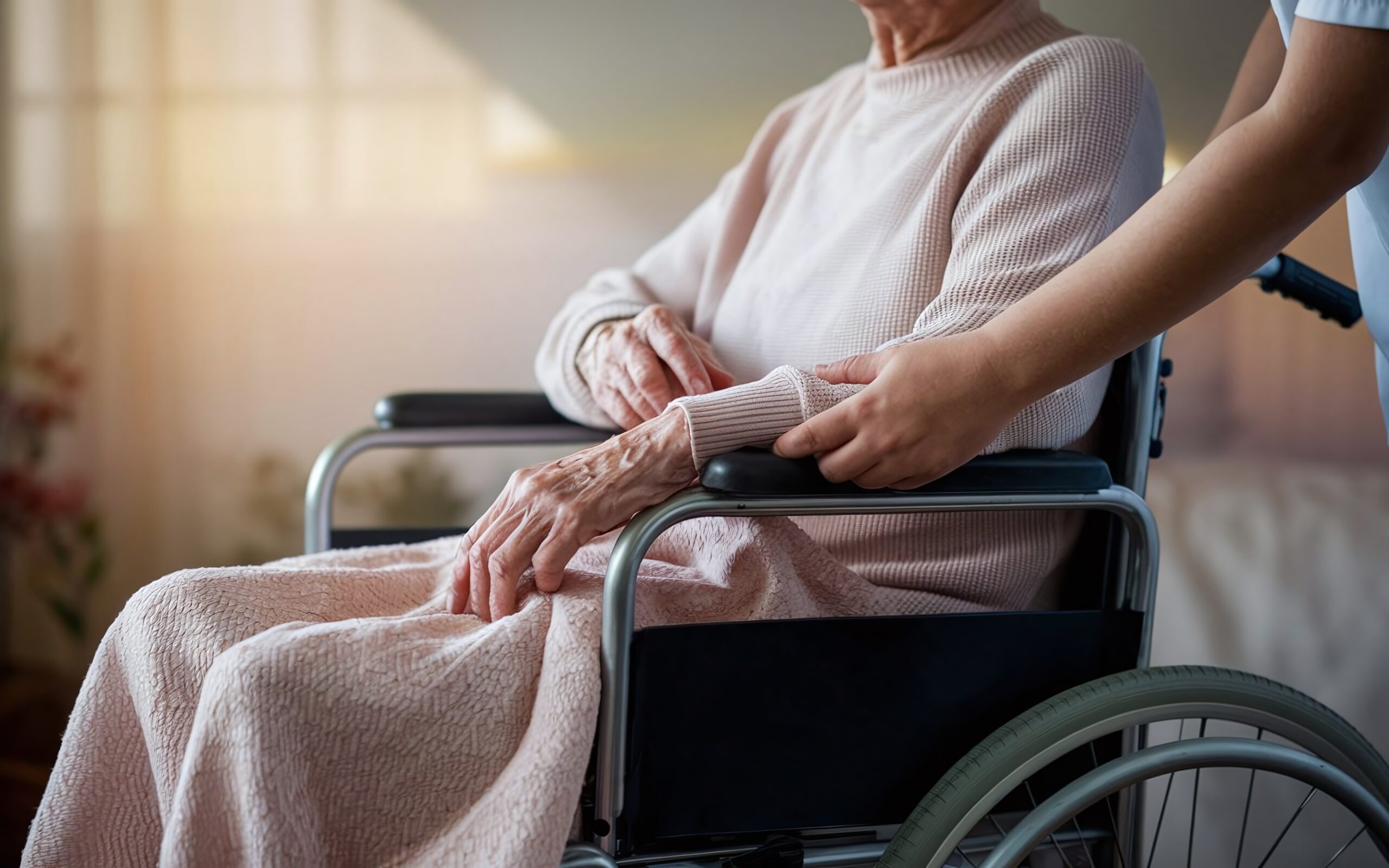
Skilled Nurse or Home Health Aide/CNA?
Determining the Appropriate Level of In-Home Care in Catastrophic Life Care Plans
Catastrophic injury cases frequently require ongoing nursing or attendant care in the home. One of the most critical—and often disputed—questions in a life care plan is:
What level of in-home care is medically appropriate, and for how many hours?
The distinction between a home health aide/CNA and a skilled nurse has significant implications for medical necessity, cost projections, and the defensibility of the life care plan.
Home Health Aides and Certified Nursing Assistants (CNAs)
Home health aides and CNAs typically provide non-skilled personal care services that assist the individual with activities of daily living (ADLs). These services often include:
- Mobility and transfers
- Bathing and personal hygiene
- Toileting
- Dressing and grooming
- Feeding assistance
- Light meal preparation
- Transportation to appointments
- General support with daily routines
For many individuals, this level of care is appropriate when assistance is needed for functional limitations, but no ongoing skilled medical interventions are required.
Skilled Nursing Care: LPN/LVN and RN
Skilled nursing care involves services that fall under a state’s Nurse Practice Act, which defines what each level of licensed nurse is legally permitted to perform.
- Licensed Practical/Vocational Nurses (LPN/LVN)
May provide certain medical and nursing services under defined scopes of practice, which vary by state. In many jurisdictions, LPNs may perform tasks such as bowel and bladder care for spinal cord injuries, medication administration, and wound care under supervision. - Registered Nurses (RN)
RNs have a broader scope of practice and clinical judgment authority. In most states, RN-level care is required for:- Ventilator or respirator management
- Complex medical monitoring
- Care involving rapidly changing or high-risk conditions
- Coordination of complex treatment plans
Selecting RN versus LPN care is not a cost preference—it is a clinical and regulatory determination based on the plaintiff’s medical needs and applicable state law.
How Is the Appropriate Level of Care and Number of Hours Determined?
Determining the type of nursing assistance and amount of care required is a clinical decision that must be grounded in:
- Medical records and treating provider recommendations
- Functional limitations and supervision needs
- State Nurse Practice Acts
- Long-term prognosis and anticipated complications
This is where retaining a life care planner who is also a Registered Nurse becomes especially important.
Why RN Credentials Matter in Life Care Planning
Peer-reviewed literature supports the role of Registered Nurses in making informed, defensible life care plan recommendations.
According to Carey and Marcinksi (2019) in The Journal of Life Care Planning:
“The education, scope of knowledge, and skills of the undergraduate prepared RN transfer readily and are easily applied to the field of life care planning. Registered nurses are knowledgeable of the healthcare delivery system, the availability of healthcare professionals including specialists, as well as community and national resources. Registered nurses have direct, clinically based knowledge of high-risk populations… who have complex health needs, multiple comorbidities, and chronic illness.”
This background allows RN life care planners to evaluate both clinical necessity and appropriate care levels, rather than relying on assumptions or cost-driven decisions.
Scope of RN Recommendations in Life Care Plans
The Journal of Life Care Planning further outlines that Registered Nurses are within their professional scope to recommend a wide range of life care plan components, including:
- Home care level of care and number of hours
- Wheelchairs and mobility equipment (with collaboration for customized devices)
- Medical equipment and supplies
- Adaptive aids for independent function
- Over-the-counter medications
- Household services (housekeeping, yard care, home maintenance)
- Adaptive and alternative transportation
- Home and architectural modifications
- Home furnishings related to disability needs
- Health maintenance services
- Adaptive and therapeutic recreation
These recommendations are not speculative—they are grounded in clinical training, regulatory standards, and real-world healthcare delivery experience.
A Defensible, Neutral Approach for Both Sides of the Bar
Dawn Cook, RN, CLCP, CNLCP applies this evidence-based framework when determining whether a plaintiff requires:
- Home health aide/CNA services
- LPN/LVN-level skilled nursing
- RN-level skilled nursing
- Or a combination of services over time
Her recommendations are based on medical necessity, functional need, and regulatory scope of practice, not litigation position—making them equally appropriate for plaintiff and defense cases.
References
Carey, E. M., & Marcinksi, D. A. (2019). What Life Care Planners Need to Know About the Professional Discipline of Registered Nurse. The Journal of Life Care Planning, Vol. 17(1), pp. 31–38, 67–68.