Lower Extremity Orthotic Replacement: Frequency, Maintenance, and Life Care Planning
Learn how orthotic type, patient age, activity level, and medical changes affect lower extremity orthotic replacement and maintenance in life care planning.


Learn how orthotic type, patient age, activity level, and medical changes affect lower extremity orthotic replacement and maintenance in life care planning.

When catastrophic injuries require long-term care at home, one of the most disputed questions in a life care plan is whether the individual needs a home health aide/CNA or skilled nursing services—and for how many hours. This distinction is not simply a cost issue; it is a clinical and regulatory determination based on medical necessity, functional limitations, and state Nurse Practice Acts. This article explains the difference between non-skilled attendant care and skilled nursing (LPN/LVN vs. RN), and why RN credentials are essential for developing accurate, defensible, evidence-based life care plan recommendations.

How life expectancy is determined in life care planning using U.S. Life Tables. Learn how Dawn Cook, CLCP, provides defensible, litigation-ready life care plans.

Expert Analysis to Support Settlements or to Prepare for Litigation A Pre-Litigation Life Care Plan provides attorneys with an objective analysis of past and future medical damages before a lawsuit is filed. In personal injury and catastrophic injury cases, early evaluation of medical costs can significantly impact settlement strategy and litigation readiness. Pre-Litigation Analysis for…
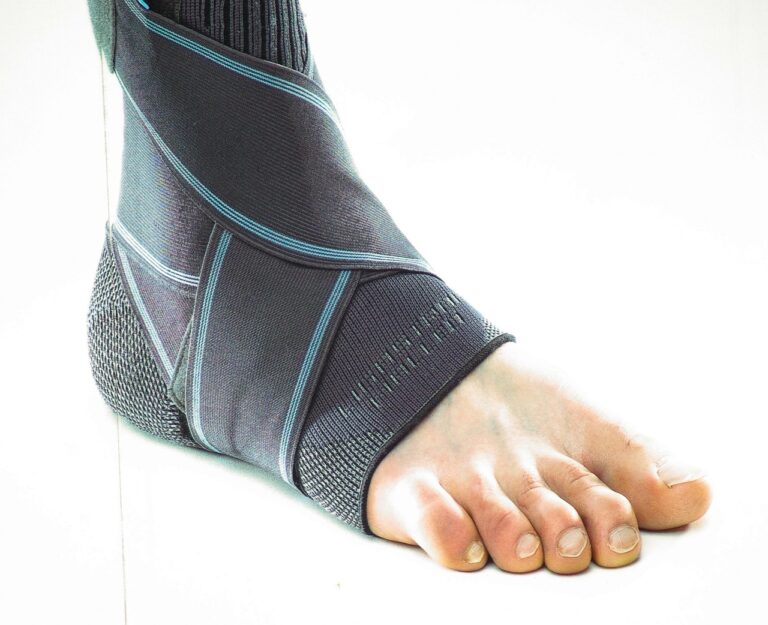
In litigation, references to a “foot brace” often mask a far more complex and costly medical reality. Ankle-Foot Orthoses in Life Care Planning are not interchangeable, over-the-counter items—they are medically prescribed devices that vary significantly in design, cost, and long-term necessity.replacement frequency, and long-term necessity. Understanding the type of AFO required, and why, is critical to accurately valuing future medical damages in cases involving lower extremity injury, gait impairment, or neurologic dysfunction.

In today’s litigation environment, the strength of a life care plan often hinges on one question: Can the cost methodology withstand scrutiny? Courts and opposing experts are no longer satisfied with generalized pricing or unsupported assumptions. Attorneys need life care plans built on nationally accepted standards, transparent data sources, and consistent methodology—because cost research directly affects admissibility, negotiation leverage, and trial outcomes. As current survey data and peer-reviewed literature make clear, defensible cost sourcing is not optional; it is essential. Life care plans grounded in recognized databases and customary percentiles give attorneys confidence that the numbers will hold up in deposition, at trial, and across the negotiating table.

A Mini Life Care Plan is a streamlined version of a traditional life care plan, tailored to meet specific litigation needs. It is a type of expert report that focuses on the projected future medical and care costs for an individual following an injury or medical event—without the comprehensive scope of a full life care plan.

In personal injury or accident-related cases, disputes often arise regarding the reasonable value of medical care provided. When this happens, a Bill Review Report or Past Medical Bill Analysis can help clarify what charges are appropriate and whether they align with industry standards.

Dawn Cook was honored to speak at the International Life Care Planning Conference, held in Orlando, Florida from September 18–20. With over 160 professionals in attendance and more than a dozen educational sessions, the conference brought together leaders in the field to share best practices and insights. Dawn’s presentation, titled “Rebuttals in Life Care Planning,” explored how to effectively respond to rebuttals and prepare clear and defensible rebuttal reports.

After a serious or catastrophic injury, it’s common for individuals to be discharged from the hospital long before they’ve fully recovered or regained independence. In the weeks or months that follow, they often rely heavily on the help of family members or friends to perform basic activities of daily living.
This past, non-compensated care—sometimes referred to as gratuitous care—represents a real and measurable economic loss. Failing to account for it can result in a significant gap in the damages calculation.