
Lower Extremity Orthotic Replacement: Frequency, Maintenance, and Life Care Planning
When preparing a life care plan for individuals with lower extremity injuries—or conditions that affect lower extremity function—accurately projecting orthotic replacement needs is essential. Lower extremity braces (orthoses) are subject to mechanical wear, material fatigue, and ongoing adjustments based on the user’s changing functional and physiological needs.
A defensible plan should reflect both standard replacement timelines and the real-world factors that can shorten (or occasionally extend) the useful life of an orthotic device.
The Five-Year Orthotic Replacement Benchmark
Under Medicare and general regulatory standards, most orthoses fall under Durable Medical Equipment (DME) classifications, with an expected reasonable useful lifetime of at least five years.
In life care planning practice, this five-year cycle often includes:
- One new orthosis purchase
- Annual maintenance and supply needs during the four years between replacements
This framework is commonly used as a baseline for projecting future orthotic costs, especially in adult populations with stable medical conditions.
Orthotic Replacement Frequency by Device Type
Not all orthoses are designed for the same lifespan. Materials, design complexity, and level of customization significantly affect replacement frequency.
According to Phil Stevens, CPO, and Kendall Brice, CPO (Journal of Nurse Life Care Planning, Volume XXV, No. 4), replacement timeframes typically include:
- Prefabricated (off-the-shelf) orthoses: replace every 1–3 years
- Custom-fit orthoses: replace every 2–4 years
- Custom-fabricated orthoses: replace every 3–5 years
These replacement windows reflect the natural degradation of components and mechanical wear over time.
Curt Bertram, CPO, and Dale Berry, CP (Journal of Nurse Life Care Planning, Volume XXV, No. 4) further highlight that custom-fabricated orthoses are medically necessary when a device must control movement in more than one plane or reduce the risk of tissue injury—particularly for individuals with neurological impairment. These more complex devices often require increased follow-up and professional oversight, including an estimated 2–3 hours of annual clinical support.
Factors That Can Shorten Orthotic Replacement Timelines
While the five-year benchmark is a useful reference point, several clinical and functional factors frequently justify earlier replacement. These considerations should be addressed directly in the rationale portion of the life care plan.
1. Pediatric Growth and Development
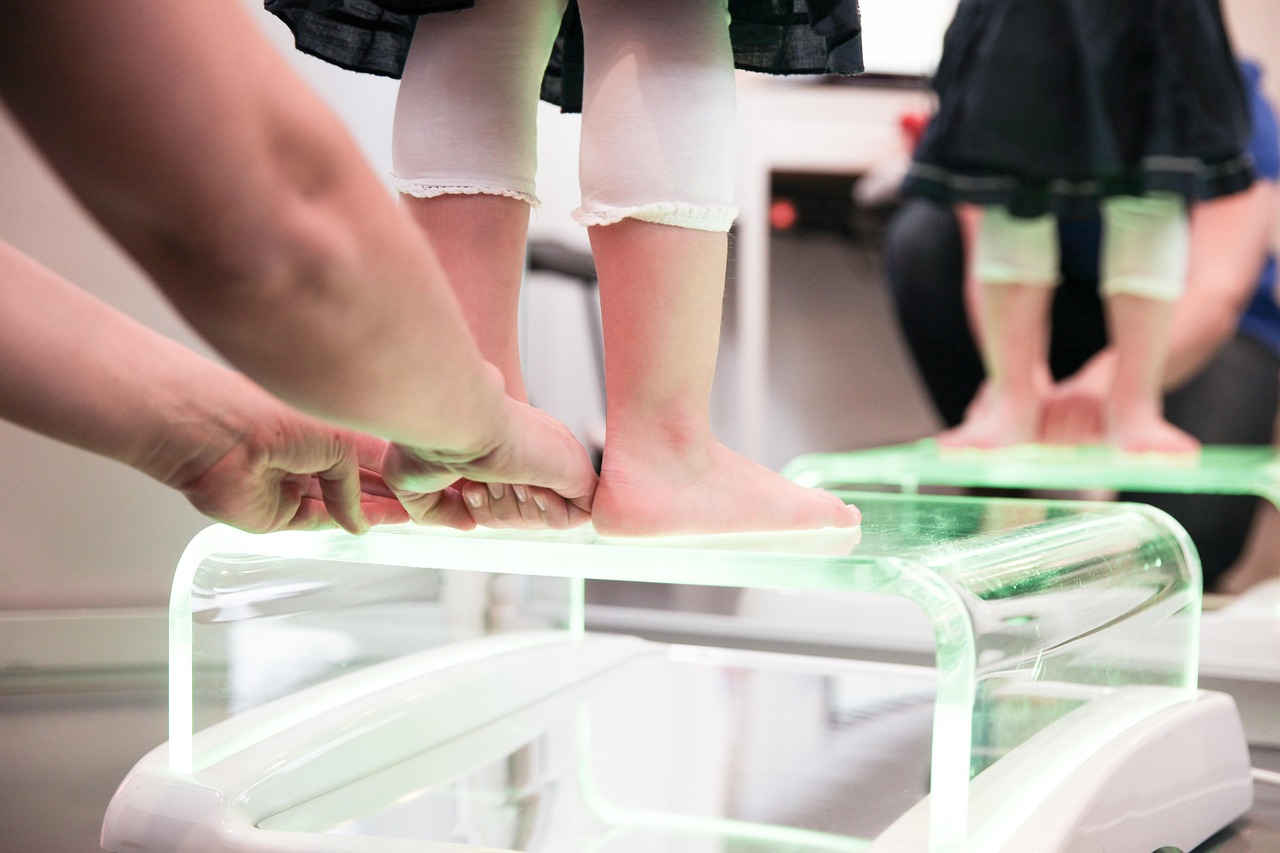
The standard five-year replacement rule generally does not apply to pediatric patients. Growing bodies often require orthoses to be replaced at least annually, with resizing and adjustments needed approximately every six months to account for skeletal growth and developmental changes.
2. Mechanical Wear and High Activity Levels
Individuals who return to physically demanding work, high-impact recreation, or frequent daily ambulation may experience accelerated breakdown of orthotic components. High-use conditions can lead to earlier fatigue of materials and mechanical failure, making replacement closer to the three-year mark more realistic than a full five-year cycle.
3. Physiological and Medical Changes
Orthoses may require replacement sooner when there are significant changes in the individual’s condition, including:
- Changes in muscle tone or spasticity
- Functional improvement or decline
- Development or progression of contractures
- Skin breakdown or increased risk of tissue injury
In these cases, replacement may be medically necessary outside of a standard schedule.
Orthotic Maintenance and In-Between Replacement Costs
It is a common mistake to assume that orthoses require no funding between replacement years. A complete and defensible life care plan should account for routine maintenance and periodic component replacement. Common in-between costs include:
- Periodic adjustments: typically every 6–12 months
- Component replacement: liners, straps, padding, and fasteners often require replacement every 1–3 years
- Clinical support: anticipate 2–3 hours annually of certified orthotist time for follow-up care, maintenance, and device modifications
Note: In most cases, additional maintenance costs are not required in the same year a new orthosis is purchased, as new devices typically include new components.
Building Defensible Orthotic Cost Projections in a Life Care Plan
Orthotic replacement planning should reflect both regulatory benchmarks and realistic clinical expectations. While a five-year replacement cycle is often appropriate for adult patients with stable needs, replacement frequency varies widely depending on the type of orthosis, activity level, and medical status. Pediatric cases and individuals with neurological impairment often require significantly more frequent replacement and ongoing clinical support.
Accurately forecasting these needs ensures the life care plan remains clinically appropriate, defensible, and aligned with real-world orthotic practice.
About the Author
Dawn Cook is an experienced life care planner who has completed over 1300 life care planning reports and more than 700 past medical bill review reports. She has provided testimony in court related to both life care plans and past medical cost reviews.
References
Stevens, P., & Brice, K. (Year). The Lower Limb Orthosis User. Journal of Nurse Life Care Planning, Volume XXV(4).
Bertram, C., & Berry, D. (Year). “Life Care Planning Considerations for Lower Limb Orthotic Intervention”. Journal of Nurse Life Care Planning, Volume XXV(4).