
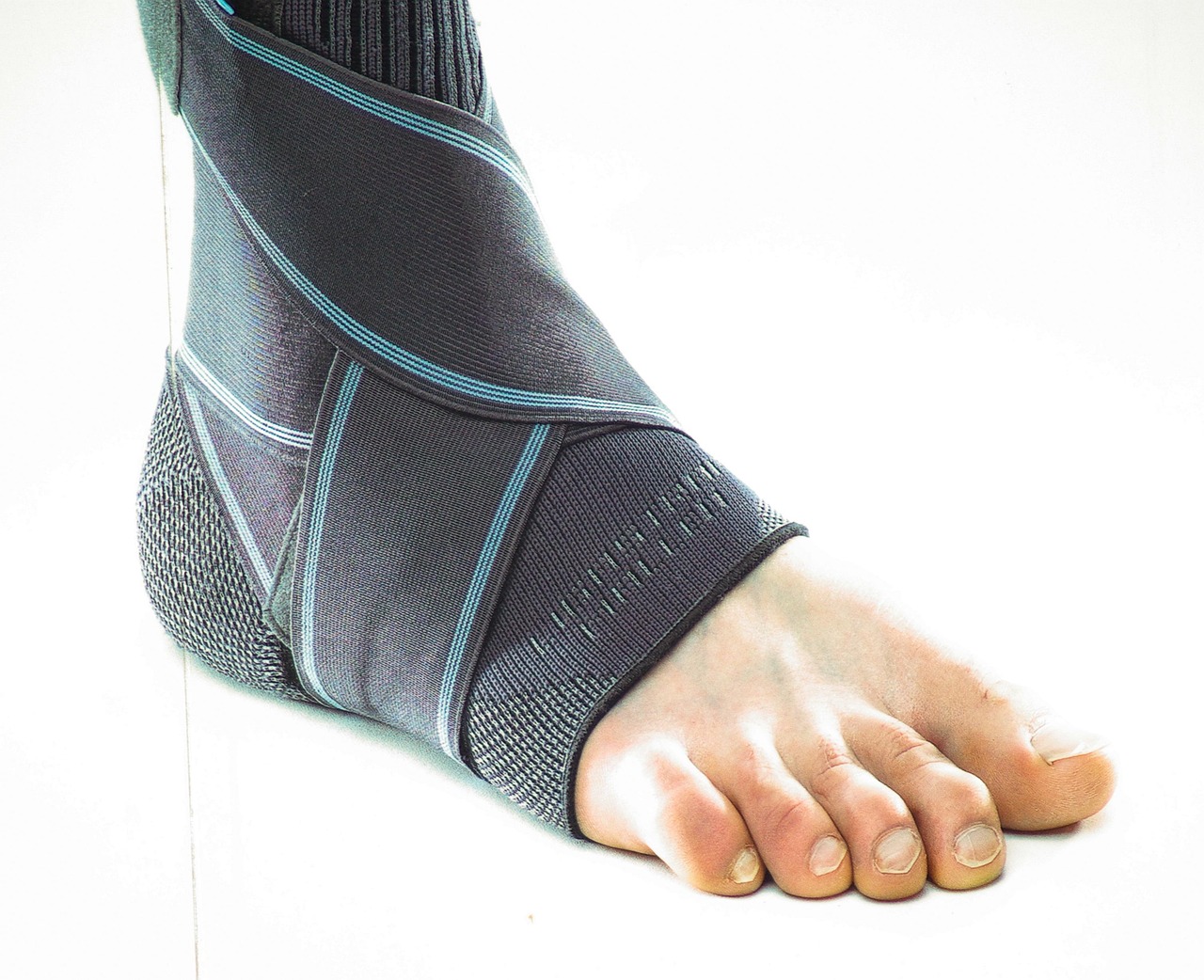
Not Just a Foot Brace
Understanding Ankle-Foot Orthoses in Life Care Planning and Medical Damages
In litigation, it is common to see recommendations for a “foot brace” following lower extremity injury. However, what may sound like a simple device often represents a medically necessary, long-term orthopedic intervention with implications for future medical damages.
Most foot braces referenced in medical records and life care plans are ankle-foot orthoses (AFOs)—and not all AFOs are created equal.
What Is an AFO—and Is It an Over-the-Counter Item?
An ankle-foot orthosis (AFO) is a brace designed to support the ankle and foot, improve gait mechanics, and compensate for neuromuscular or structural impairments.
Some braces are available through retail or online vendors; however, many AFOs used in catastrophic or permanent injury cases require professional fitting, customization, and periodic replacement. In a life care plan, these factors significantly affect the calculation of future medical damages over the plaintiff’s life expectancy.
The appropriate type of AFO depends on:
- The underlying diagnosis
- Functional limitations
- Prognosis
- Whether the condition is temporary, progressive, or permanent
Common Conditions That May Require a Foot Brace
Peroneal Nerve Injury and Foot Drop
One of the most common indications for an AFO in litigation is foot drop, often resulting from peroneal nerve injury. Causes may include:
- Traumatic injuries such as tibia/fibula fractures, knee dislocations, or lower extremity crush injuries
- Iatrogenic injury related to surgical positioning, excessive manipulation, traction, or tourniquet use
- Prolonged leg crossing or improper positioning during lengthy surgical procedures
Foot drop can significantly impair gait safety and efficiency, increasing fall risk and long-term disability.
Gait Disturbances and Lower Extremity Weakness
Gait abnormalities may also warrant an AFO. Depending on the design, a foot brace can:
- Improve stability and walking efficiency
- Reduce spasticity
- Compensate for muscle weakness
- Support foot deformities or arch collapse
- Improve overall functional mobility
These benefits are often essential for maintaining independence and reducing secondary complications.
Types of Foot Braces and Cost Considerations
Understanding the type of AFO prescribed is critical when evaluating damages.
Off-the-Shelf Braces
- Purchased through medical supply vendors or orthotic providers
- Typically intended for short-term or temporary use
- Commonly used during early rehabilitation
- Approximate cost: $50–$500
These devices are rarely appropriate for long-term use in catastrophic cases.
Custom-Fit Foot Braces
- Often modified from an off-the-shelf model to fit the individual
- Used for moderate impairments
- May require periodic adjustments or replacement
- Approximate cost: $200–$2,000 per device
Fully Customized Foot Braces
- Individually fabricated to address complex or permanent impairments
- Often required in neurologic injuries, severe trauma, or progressive conditions
- May involve advanced materials or mechanical features
- Approximate cost: $500–$10,000, depending on complexity
Customized AFOs are frequently replaced every few years due to wear, changes in condition, or growth (in pediatric cases), making long-term planning essential.
Why AFOs Matter in Life Care Planning
In life care planning, an AFO is not a one-time expense. A defensible plan considers:
- Medical necessity
- Type of orthosis required
- Replacement frequency
- Associated follow-up, adjustments, and fittings
Failure to properly account for these factors can result in underestimated future medical damages or, conversely, recommendations that are difficult to defend.
A Clinically Grounded, Neutral Evaluation
Dawn Cook, RN, CLCP, CNLCP evaluates orthotic needs based on:
- Medical records and diagnoses
- Functional assessments
- Treating provider recommendations
- Accepted life care planning standards
Her opinions regarding AFOs and other durable medical equipment are grounded in clinical judgment and peer-reviewed literature, not assumptions or retail pricing.
Learn More
For a detailed, peer-reviewed discussion of foot braces and their role in life care planning and medical damages, see:
AANLCP Journal of Nurse Life Care Planning https://www.aanlcp.org/aanlcp-journal/?utm_source=chatgpt.com
ISSN 1942-4469
Autumn 2025 | Volume XXV, Issue 4
Peer-Reviewed Excellence in Nurse Life Care Planning Since 2006